
TLDR: This review is spoiler free. The Shepherd King duology is dark, atmospheric, and built around one of the most compelling character dynamics I’ve come across in a while. Four stars, a few reservations, and absolutely worth reading if gothic fantasy is your thing.
- Title: The Shepherd King (Duology)
- Author: Rachel Gillig
- Format Consumed: Kindle eBook
- Length: 404 pages (Book 1) / 418 pages (Book 2)
- Genre: Dark Fantasy / Romantasy
- Spice Level: 🌶️
- Series Status: Complete — 2 books
- Rating: ⭐⭐⭐⭐
I picked this one up because the premise grabbed me in a way that most fantasy pitches don’t. A woman with a monster living in her head. Not a metaphor. An actual ancient spirit called the Nightmare, sharing her mind, keeping her alive, taking pieces of her in return. That setup alone was enough to get me in.
The world Gillig builds is called Blunder, a mist-locked kingdom where magic runs through a deck of twelve Providence Cards and a second, forbidden kind of magic spreads through fever and corrupts everything it touches. It’s gothic in the best sense of the word. Fog-drenched, a little claustrophobic, with a constant low-level dread underneath the romance and the adventure. The atmosphere is doing serious work here and Gillig earns it.
The story follows a single POV — Elspeth — which keeps things tight and personal. Most of what you experience, you experience through her, which makes the Nightmare dynamic land the way it does. Their dynamic is the engine of the whole duology, and it runs on a kind of dark internal intimacy that’s genuinely different from the usual fantasy romance setup. On the romance side, there is some heat but it’s not the focus. This is more slow burn with atmosphere than anything steamy, so if you’re picking this up expecting heavy spice you’ll want to recalibrate.
Worth flagging before you dive in: there are some dark themes running through this one. Violence, body horror adjacent moments tied to the magic system, and some emotionally heavy character histories. Nothing gratuitous, but this is not a light cozy read. If you’re new to dark fantasy this is actually a decent entry point, but go in knowing it earns its darkness. If you want something breezy and low-stakes, look elsewhere.

Vibe Check: Is This an Easy Read?
The pacing is measured, especially in Book 1. Gillig takes her time building the world and the rules of the magic before she starts pulling the threads. It never dragged for me, but if you need a book to grab you in the first chapter this one might test your patience for the first quarter. Once it locks in though, it locks in. Book 2 moves significantly faster, and by the end of the duology the payoff earns the slower setup.
Emotionally this is a high-investment read. The Elspeth and Nightmare dynamic is the kind of relationship that gets under your skin in a way that’s hard to explain without spoiling it. If you’ve read Uprooted by Naomi Novik or For the Wolf by Hannah Whitten, you’ll feel the same DNA here. It’s not quite as polished as either of those, but it’s playing in the same space and doing interesting things with the monster-within trope that feel genuinely fresh. On Kindle the chapters read quickly, propulsive in a way that the prose style doesn’t always suggest it will be.
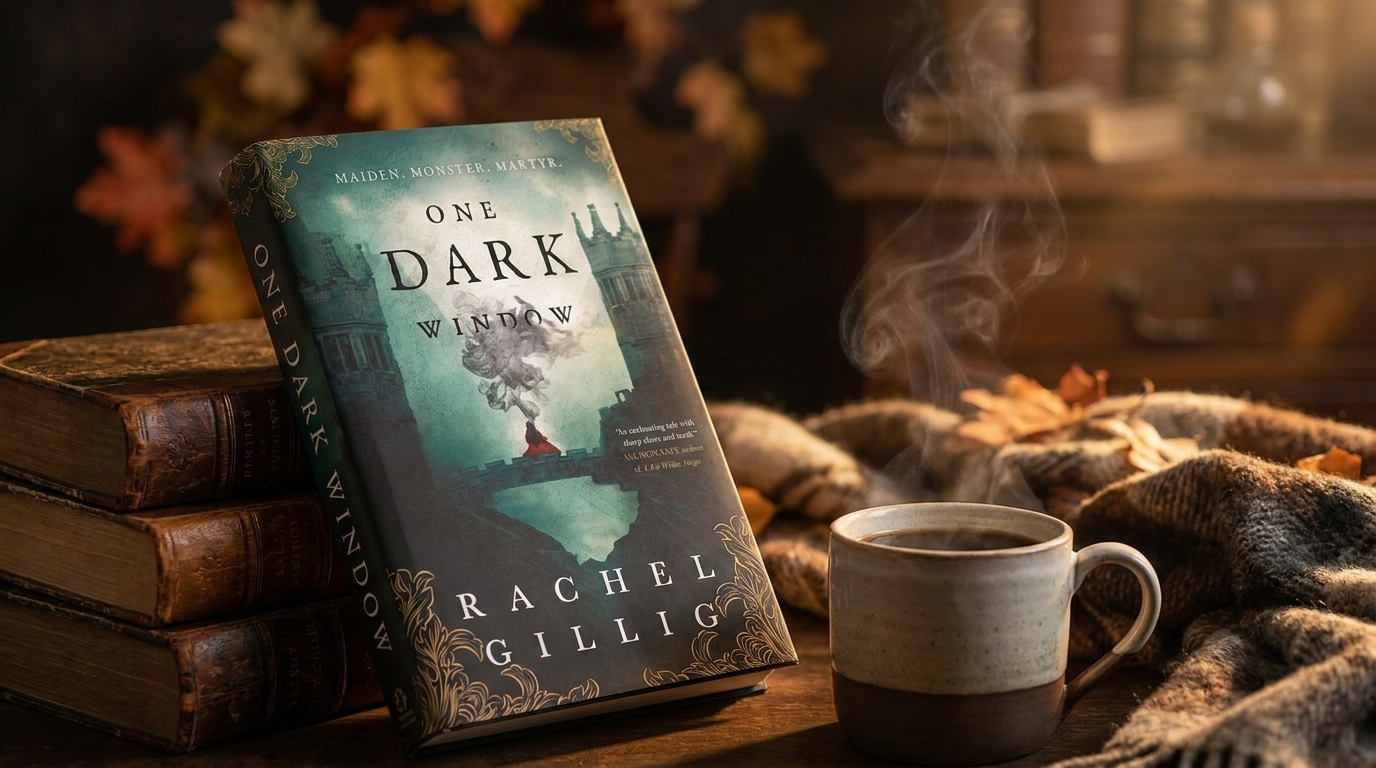
One Dark Window — Book 1
Book 1 is an origin story and a slow-burn setup, but it’s a very good one. The world-building is front-loaded in the best way, meaning by the time the plot starts moving in earnest you actually understand what’s at stake and why the rules of the magic matter. Elspeth is a character worth spending time with, and the Nightmare is the kind of presence that makes you read faster just to get back to their exchanges.
The magic system was the thing that surprised me most. Providence Cards as the mechanism for sanctioned magic, with the fever magic existing as its corrupted, forbidden counterpart, is a genuinely well-constructed system. The rules feel earned rather than arbitrary. Most fantasy magic systems feel like the author made up whatever the plot needed. This one has internal logic that holds up and makes the stakes feel real.
My one honest criticism: I figured out where the big reveal was going earlier than I think Gillig intended. If you read a lot of fantasy and you’ve got a pattern-recognition brain for this stuff, there’s a reasonable chance the same thing happens to you. It didn’t ruin the book for me, but it did soften the landing on what should have been a gut-punch moment. The writing around it is strong enough that you’ll still feel something, just maybe not the full force she was going for.
Book 1 ends in a place that makes Book 2 feel mandatory. Not in a cynical cliffhanger way, but in a way where you genuinely need to know what happens next. I went straight into it.
Two Twisted Crowns — Book 2
Book 2 is darker, faster, and emotionally harder. Where Book 1 is world-building and setup, Book 2 is consequence. Everything Gillig planted in the first book comes due here, and she doesn’t let anyone off easy. The stakes feel real in a way that not every duology manages to maintain into its conclusion.
The Elspeth and Nightmare dynamic evolves in ways I won’t get into, but the evolution is earned and the payoff is genuinely satisfying in a way I didn’t fully expect after predicting the Book 1 reveal. Gillig does something with their relationship in Book 2 that reframes what you thought you understood about both of them, and that reframing lands even if you saw pieces of it coming.
The pacing here is noticeably tighter. Less world-building breathing room, more plot. Whether that’s a positive depends on what you liked about Book 1. For me, it was exactly what the second half of this story needed. The ending is satisfying without being tidy, which is the right call for a story this dark. Tidy would have felt like a lie.
Final Thoughts
The Shepherd King is a four-star duology that occasionally flirts with five and lands at four because of one predictable reveal that cost it some of its intended impact. Everything else — the atmosphere, the magic system, the central dynamic — is genuinely good and worth your time. If you’re a fantasy reader who’s tired of magic systems that feel made up on the fly and romance dynamics that feel interchangeable, this duology fixes both of those problems.
It’s a complete story, it sticks the landing, and the Nightmare is one of the more interesting presences I’ve encountered in the genre. Read it.