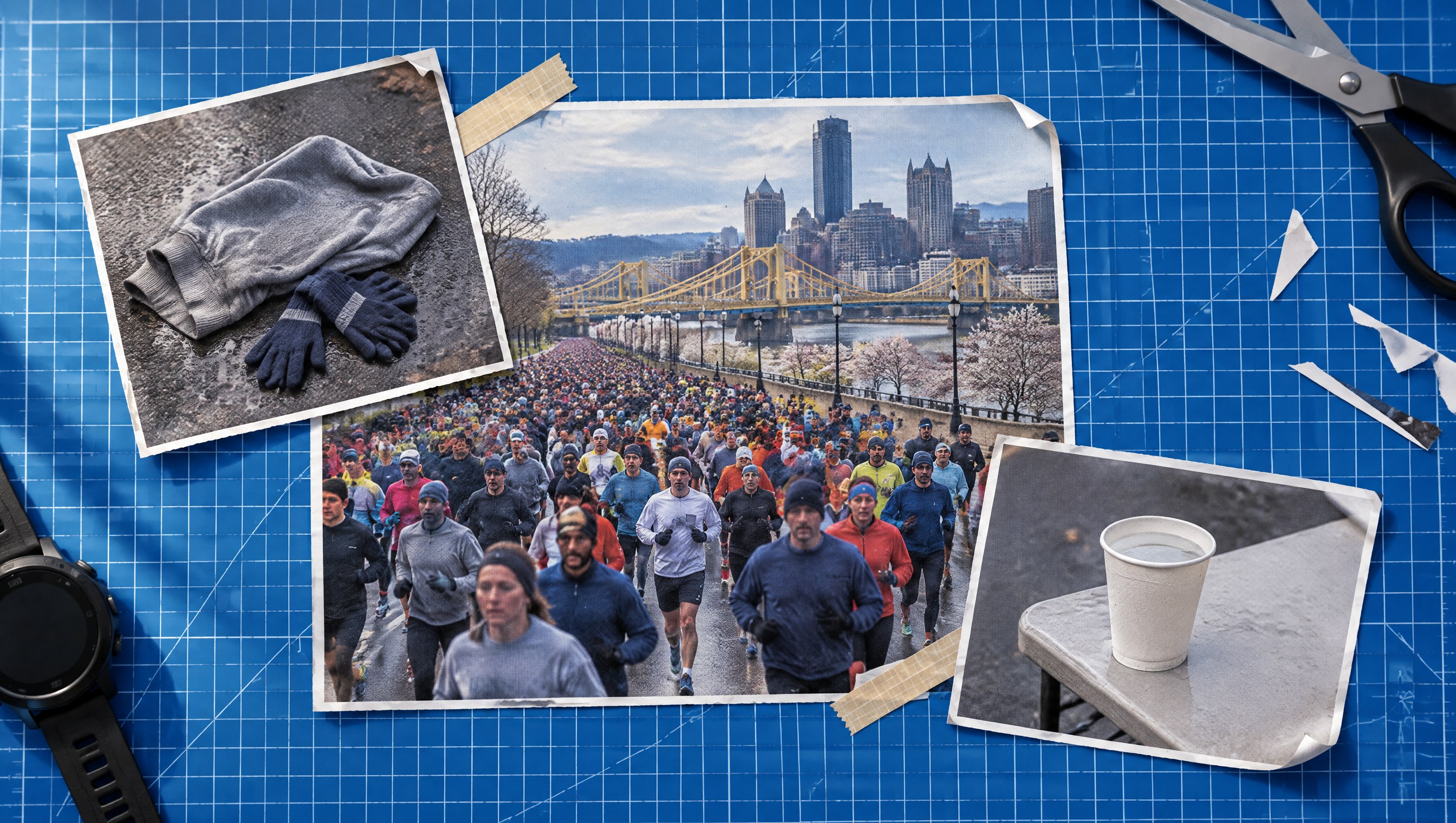
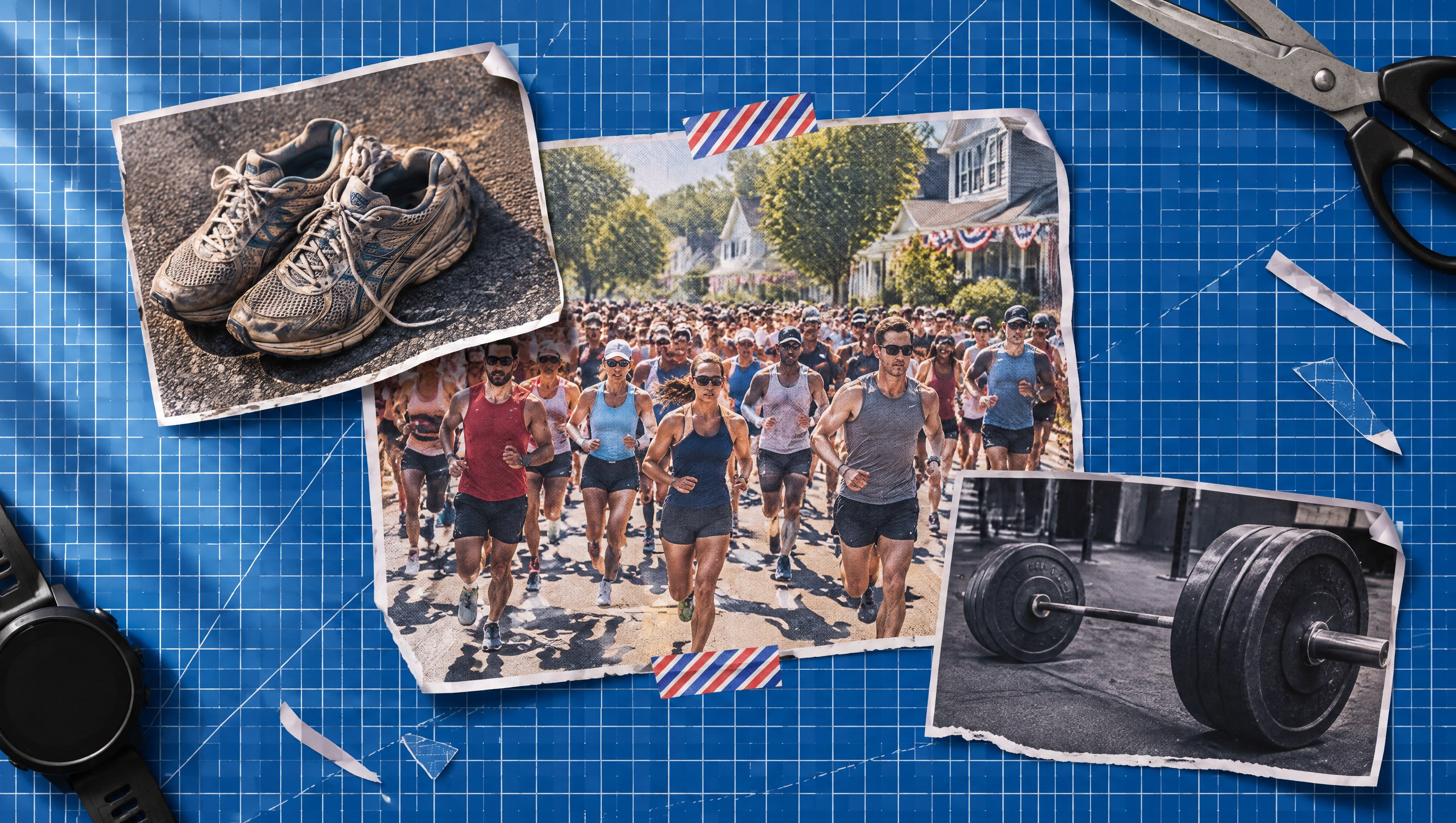
TLDR: Pittsburgh summers are legitimately brutal for running in the heat. Humid, sticky, and the kind of hot where your GPS watch lies to you about your pace because you don’t want to know the truth. Here’s what I’ve actually figured out after training through several of them: slow down more than you think you need to, drink more than you feel like drinking, and stop pretending the treadmill is cheating.
It was 91 degrees and 78% humidity on a Tuesday in July when I went out for what was supposed to be a 7-mile tempo run. I made it three miles before I started doing math in my head about whether I could technically claim the run was “done” if I cut it in half and walked back.
I did not cut it in half. But I did spend the next two miles at a pace I would have been embarrassed to post publicly, which is fine, because I eventually stopped being embarrassed about summer running and started being smarter about it instead.
Pittsburgh in July is not running weather. It’s survival weather. The confluence of two rivers at the bottom of a valley means the city holds humidity like a sealed bag. You walk outside at 6am and it’s already 75 degrees and 80% relative humidity. Your shirt is wet before you’ve reached the end of the street. This is not a dramatic exaggeration. This is just what it is.
If you’re going to run through Pittsburgh summers, and I do, every year, without fail, you need an actual framework for running in the heat. Not vibes. Not “listen to your body” (your body is a bad advisor in the heat). An actual set of adjustments based on what’s happening outside.
Here’s mine.

The Pace Math Nobody Wants to Do
The single biggest mistake summer runners make is trying to run goal pace in conditions that make goal pace physiologically impossible. Your heart rate at a given speed goes up significantly in the heat. You’re not slower because you’re weak. You’re slower because your cardiovascular system is doing two jobs at once: running the workout and trying not to kill you.
The general rule I use is this: for every 10 degrees above 60°F, I add 20 to 30 seconds per mile to my easy pace. So if my comfortable easy pace in ideal conditions is 9:00 per mile, here’s how that plays out in practice:
- 60°F and dry: 9:00 per mile (baseline)
- 70°F: 9:20 to 9:30 per mile
- 80°F: 9:40 to 10:00 per mile
- 90°F: 10:00 to 10:30 per mile
- 90°F+ and humid: honestly, 10:30 to 11:00 or slower isn’t the goal anymore
That last line is the one that trips people up. When it’s 90 degrees and the humidity is over 70%, pace becomes almost irrelevant. You’re running by effort, specifically keeping your effort at a level where you can still carry on a conversation, not by what your watch says. I’ve had July long runs where my average pace was 11:15 and I finished them feeling like I’d done real work. That’s not embarrassing. That’s just correct.
Humidity is the part that doesn’t get enough attention. Temperature alone is manageable. Temperature plus humidity is a different problem because your body cools itself through sweat evaporation, and when the air is already saturated with moisture, your sweat doesn’t evaporate. The cooling system stops working as well. The heat index (what it “feels like”) is the number you should actually be looking at, not the raw temperature. A 90-degree day at 40% humidity is genuinely fine. A 90-degree day at 80% humidity is a threat assessment.
I live and run in Pittsburgh. The threat assessments are frequent.
What I Actually Do vs. What Running Influencers Say
Running content on the internet in summer trends toward “embrace the heat, it makes you stronger.” And that’s technically true, up to a point. Heat training does improve plasma volume and cardiovascular efficiency. There’s real science behind it.
But here’s what the influencer version leaves out: that adaptation takes two to three weeks of consistent exposure to kick in. You don’t adapt on the first hot run of the season. You just have a bad run. The first week of Pittsburgh summer running every year is genuinely humbling, and I’ve been doing this long enough to know that’s not a fitness problem, it’s a biology problem. The body needs time to adjust.
What I do in the first two weeks of hot weather: I drop pace expectations entirely, shorten my quality workouts, and stay focused on just getting the easy miles in without wrecking myself. The tempo runs come back. The intervals come back. But not in week one of July. Not at the pace I want.
What I also do, which running influencers would never say out loud: I cancel runs. If it’s 95 degrees at 7pm and I had a 6-mile easy run scheduled, I either do it on the treadmill, do it at 5:30am, or don’t do it. A missed easy run during summer training is not going to derail your race. Heat exhaustion will. I’ve done the cost-benefit analysis and I’m pretty confident it lands where you’d expect. It’s the same logic I use to protect the three-run minimum that makes marathon training with three kids possible: protect the runs that matter, let the rest flex.

Hydration That Actually Works
Let me tell you something that took me an embarrassingly long time to figure out: drinking water right before a run does not fix hydration. By the time you feel thirsty, you’re already behind. Hydration is a full-day project, not a 10-minute project you do in the driveway.
The numbers I target in summer training:
Before running, I want at least 16 to 20 ounces of water in the two hours before heading out. On longer runs (over 8 miles), I carry a handheld bottle with 20 ounces and plan a water fountain stop somewhere in the middle if the route allows it. I also add electrolytes. Not a sports drink necessarily, just electrolytes. In Pittsburgh summers, I’m losing significant sodium through sweat, and replacing it only with water leads to a specific kind of flatness and headache that I’ve come to recognize as a sign I got the ratio wrong.
The salt thing matters more than most people think. I’ve read enough about this to know that sodium loss through sweat varies widely between people (some people are saltier sweaters than others), and I’m apparently on the high end. I started adding electrolyte tabs or a light salt supplement to my pre-run hydration and the difference in how I felt after long runs in July was immediately noticeable. Not placebo. Actual difference.
Post-run: 20 to 24 ounces minimum within 30 minutes. More if the run was long or the conditions were brutal.
What doesn’t work, or at least what I’ve found to be hydration theater: carrying a huge water bottle everywhere and only drinking it when I remember, drinking a big glass of water 20 minutes before the run and calling it good, and relying entirely on thirst as a signal during runs over 45 minutes in heat over 80 degrees. Your thirst mechanism is not calibrated for summer running. It’s calibrated for normal life. Don’t trust it in those conditions.
The Honest Take on Treadmill vs. Outdoor
I used to feel weird about the treadmill. I’d grind through a summer run in brutal conditions rather than admit I could have done it inside. This was dumb.
I have a treadmill in my garage. In Pittsburgh summers, I use it without guilt approximately two to three times a week during peak heat. Here’s my actual framework for when I choose which option:
Run outside when:
- The temperature is below 85°F
- The heat index is below 90°F
- It’s early morning (before 8am) or evening (after 7pm when the sun is lower)
- The route has shade or access to water
Run on the treadmill when:
- It’s going to be over 90°F with high humidity and I can’t get out before 8am
- The run is a quality workout (tempo, intervals) and conditions would make hitting the target effort genuinely impossible
- I have a full day of life happening and the outdoor window isn’t there
The treadmill argument about biomechanical differences is true but overstated for easy and moderate efforts. Set the incline to 1% to approximate outdoor resistance and get the session done. The miles are real. The adaptation is real. The run that doesn’t happen because it was too miserable outside is the only thing that’s not real.
The one thing I won’t do on the treadmill is long runs over 12 miles. That’s just a personal ceiling. I find that mentally untenable past a certain point. But 6 miles of tempo work on a treadmill on a 92-degree Wednesday afternoon in Pittsburgh? That’s not compromising. That’s just being smart.
Heat Acclimatization: The Two Weeks That Actually Matter
Here’s the thing about adapting to summer running: it’s real, it’s measurable, and it has a timeline. Your body can become meaningfully better at handling heat with consistent exposure over 10 to 14 days. You don’t need anything special. You just need to run in the heat consistently during that window.
The adaptations that happen: your blood plasma volume increases (you produce more blood, essentially), which means your heart doesn’t have to work as hard to push blood to your skin for cooling. Your sweat response kicks in earlier and at a higher rate, so cooling starts sooner. Your sweat becomes less salty over time, meaning you retain more electrolytes per unit of effort. Real stuff.
What this means practically: the first two weeks of summer running every year are going to feel terrible. Don’t take that as information about your fitness. It’s just your body recalibrating. By week three, the same conditions that were destroying you in late June will start to feel manageable. Not comfortable. Manageable.
I’ve tracked this for a few summers now and it holds pretty consistently. My average heart rate on easy runs drops 8 to 12 beats per minute between week one and week three of hot-weather training at the same pace. That’s the adaptation happening. It’s not magic. It’s physiology.
The mistake is treating week one as representative and deciding summer running is too hard. That’s like judging your marathon fitness based on week one of a training block. If you’re building toward a fall race, my 6-week half marathon training plan already assumes you’ll lose some pace to summer heat in the early weeks.
Timing Is Actually the Whole Game
I’ll be blunt about this: in Pittsburgh summer heat, when you run matters more than almost any other variable. A 7-mile easy run at 6am on a Tuesday when it’s 72°F and the humidity hasn’t fully built yet is a completely different experience than the same run at noon when it’s 89°F and feels like 97°F. Same distance. Same pace target. Different planets.
My priority order for summer runs:
- Pre-sunrise or early morning (before 8am) for everything longer than 5 miles
- Evening runs (after 7:30pm) for shorter workouts when mornings don’t happen
- Treadmill for quality sessions when outdoor conditions are unworkable
- Midday outdoor runs: not if I can avoid it, and if I can’t, I halve my expectations
The 5am thing is real. I’ve run at 5am in Pittsburgh summers more times than I can count. It’s still warm. It’s still humid. But it’s survivable in a way that midday genuinely isn’t. You also get the roads before anyone else is on them, which is its own particular reward.
I’m not going to pretend I always get out before sunrise. Three kids, a full-time job, life. But when I’m in a serious training block in July, the early morning window becomes sacred the same way the Saturday long run is sacred, the same way it’s sacred in my current gym routine. You protect it or the summer training falls apart.
The Real Goal in Summer
Summer running is not about PRs. It’s not about hitting aggressive paces. It’s about maintaining fitness through conditions that don’t cooperate, so that when fall arrives and the weather breaks and Pittsburgh is actually beautiful in October, you’re ready.
Every summer run you finish in the heat is a deposit toward October. The pace doesn’t matter. The distance (within reason) doesn’t matter as much as it does in spring. What matters is that you kept showing up, stayed safe, stayed hydrated, and didn’t let three miserable hot Tuesdays convince you to take six weeks off.
And honestly? The discipline of summer running builds something that fall running never does. Anyone can run when it’s 52°F and overcast. Running in August in Pittsburgh when it’s 88°F before 8am and you’ve got three kids and a calendar full of meetings and your training plan says “8 miles easy” is a different kind of commitment. Not glamorous. But it’s real.
Try This Before Your Next Run
Pick your next run and actually check the heat index before you go, not just the temperature. If the heat index is over 90°F, give yourself explicit permission to adjust pace by 60 to 90 seconds per mile without guilt, move the run to the treadmill, or shift it to early morning instead.
One adjustment. See what it does to how you feel at mile 4 compared to what you’ve been doing.
That’s the whole thing. Make the adjustment, keep the run, finish the summer.
Standard disclaimer: I’m not a coach and this isn’t medical advice. If you’re running in extreme heat and start feeling dizzy, stop. Heat exhaustion is a real thing and a missed run is always better than a hospital visit.