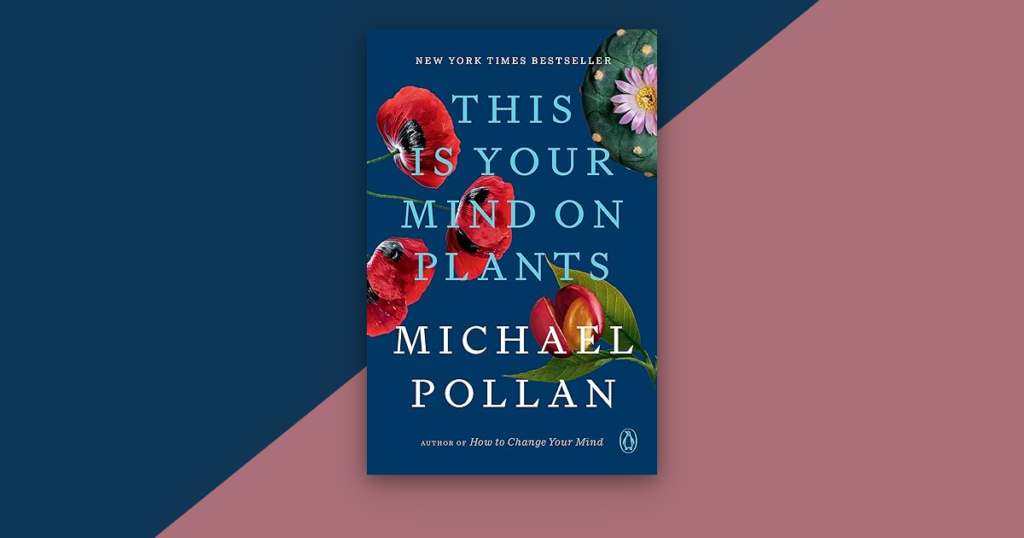
TLDR: Michael Pollan explores how three common plant-based substances—opium, caffeine, and mescaline—alter the human mind, and how culture, law, and history shape our perception of what counts as a “drug.” It’s a smart, reflective book that blends science, journalism, and personal narrative.
- Title: This Is Your Mind on Plants
- Author: Michael Pollan
- Format Consumed: Audiobook
- Length: ~8 hours (288 pages in print)
- Genre: Nonfiction / Science / Culture
- Rating: ⭐️⭐️⭐️⭐️
This was my first book by Michael Pollan, and I didn’t quite know what to expect. I knew he had a reputation for thoughtful, well-researched writing about food and consciousness, and this seemed like a natural entry point. I was especially interested in how he would approach the line between legal and illegal drugs—particularly with substances most people use daily, like caffeine.
What I didn’t expect was how personal the book would feel. Pollan doesn’t just report; he participates. He experiments with going off caffeine entirely (and documents the miserable effects), revisits a redacted opium article he once buried for legal reasons, and dives into the ethics of mescaline use with a surprising amount of humility. That blend of research and self-reflection gave the book its edge.
As a listener, the audiobook format worked well. Pollan narrates it himself, and the delivery was thoughtful and steady—great for digesting some of the more philosophical and scientific content. It challenged some of my own assumptions about “normal” substances and made me rethink how much cultural framing shapes our understanding of what’s dangerous or sacred.
The Lowdown On This Is Your Mind On Plants
The book is structured into three longform essays, each dedicated to one plant-based psychoactive substance: opium (from poppies), caffeine (from coffee and tea), and mescaline (from peyote). Rather than just providing scientific facts, Pollan layers in history, legal policy, cultural attitudes, and his own firsthand experiences.
In “Opium,” he wrestles with censorship and the war on drugs, revisiting an old essay he once withheld to avoid legal risk. In “Caffeine,” he dives into the global reliance on stimulants, how caffeine shaped capitalism and the modern workweek, and what withdrawal did to his brain. The final section, “Mescaline,” explores Indigenous use of psychedelics and how U.S. policy has restricted their religious freedom.
Each chapter opens up a broader discussion—not just about the substance itself, but about how we define “acceptable” ways to alter consciousness and why those definitions are usually political.
How Easy Is This Is Your Mind On Plants To Read?
This is a smart book, but it’s accessible. Pollan’s writing is clear and conversational, even when covering neuroscience, anthropology, or legal theory. He doesn’t get bogged down in jargon and has a talent for guiding the reader through complex ideas without making it feel like a lecture.
The audiobook was a strong format for this one. The pacing was natural, and Pollan’s tone is approachable—curious rather than preachy. The sections are long, but they move well thanks to the mix of history, personal experience, and cultural commentary.
If you’re comfortable with nonfiction and enjoy reflective, investigative writing, this is an easy and rewarding read (or listen).
My 3 Biggest Takeaways from This Is Your Mind on Plants
1. Legality Is a Cultural Choice, Not a Scientific One
This book made it impossible to ignore how arbitrary drug laws are. Substances like caffeine—socially acceptable, nearly universal—are powerful psychoactive agents. Others, like mescaline or even opium in certain contexts, are banned outright. It’s not always about danger. It’s about what fits a cultural or political narrative.
“The molecules don’t know whether they’re legal or not. That’s something we project onto them.”
2. We’re All Using Something—Even If We Pretend Otherwise
Pollan’s section on caffeine hit hard. Most of us are chemically altered every day, but because it’s legal and productive, we don’t call it a drug. It made me reconsider how normalized dependencies—like my own daily coffee—fly under the radar.
“The only reason caffeine escapes the stigma of ‘drug’ is that its effects serve the values of a productivity-obsessed culture.”
3. Context Changes Everything
Whether a substance is considered medicine, poison, or sacrament often depends more on who’s using it than what it actually does. The mescaline section raised important questions about religious freedom and double standards in U.S. drug policy.
“The same molecule can be medicine, poison, or sacrament depending on the context.”
Final Thoughts
This book surprised me. I expected a science-heavy exploration of mind-altering plants, but I got something much deeper—an investigation into human culture, perception, and control. Michael Pollan writes like a guide rather than an authority, and that made the experience more accessible and personal.
If you’re curious about consciousness, culture, or the hidden influence of everyday substances, This Is Your Mind on Plants is worth your time. It’s a four-star read that lingers long after you’ve finished it.