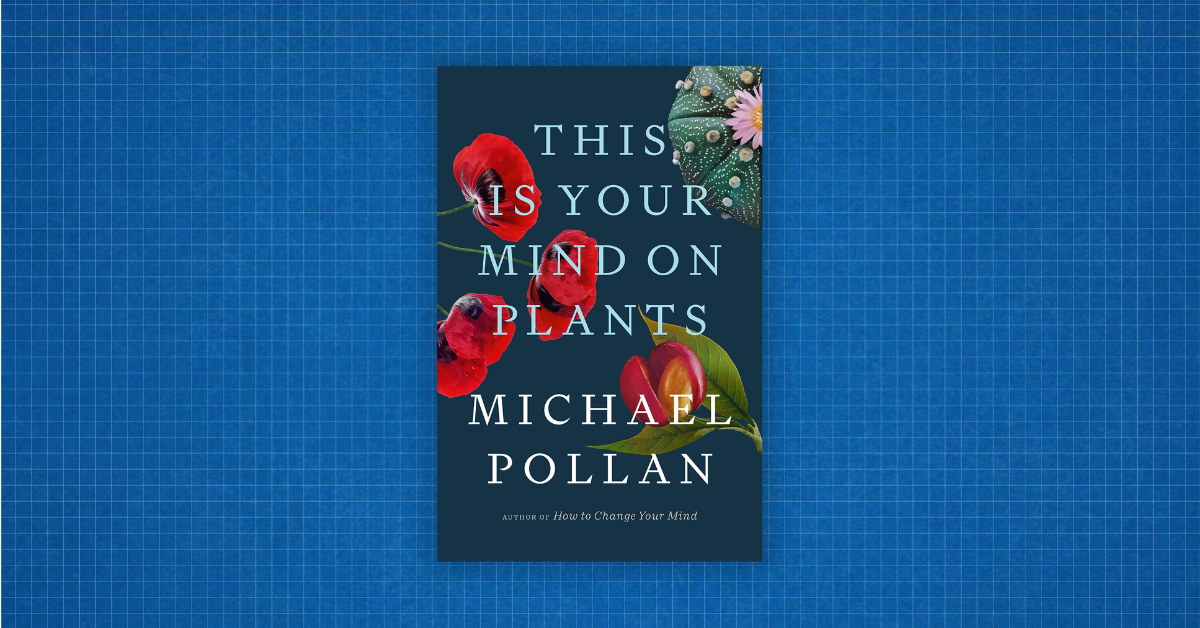
TLDR: Michael Pollan takes three plant-based substances (opium, caffeine, and mescaline) and uses them to make a bigger argument: the line between “drug” and “not a drug” is mostly political. Smart, personal, and a lot more interesting than it sounds on paper.
- Title: This Is Your Mind on Plants
- Author: Michael Pollan
- Format Consumed: Audiobook
- Length: ~8 hours (288 pages in print)
- Genre: Nonfiction / Science / Culture
- Rating: ⭐⭐⭐⭐
This was my first Pollan book. I knew he had a reputation for well-researched, thoughtful writing and figured this was a good entry point. I was mostly curious about how he’d handle the caffeine angle, because I drink an embarrassing amount of coffee and I wasn’t sure I wanted to know what it was doing to my brain.
What I didn’t expect was how personal it gets. Pollan doesn’t just report on this stuff from a distance. He goes off caffeine entirely and documents what happens to him. He digs up an old article about opium he buried for legal reasons and finally publishes it. He approaches the mescaline section with more humility than I expected. It reads like someone actually working through these questions, not lecturing you about them.
He narrates the audiobook himself, which helps. His delivery is calm and curious. Good for the denser bits about neuroscience and policy. I finished it in a few commutes and a long run and came away thinking differently about things I do every single day.
The Lowdown on This Is Your Mind on Plants
The book is three longform essays, each built around one substance: opium from poppies, caffeine from coffee and tea, and mescaline from peyote. Pollan layers science, history, legal policy, and personal experience into each one. None of it feels like a textbook.
The opium section wrestles with censorship and the war on drugs. The caffeine section is the one that’ll make you put your mug down and think. He covers how caffeine literally shaped the modern workweek and what happens to your brain when you take it away. The mescaline section is the most quietly uncomfortable one. It gets into Indigenous use of psychedelics and how U.S. drug policy has trampled on religious freedom for decades.
Each essay ends up being less about the substance and more about who gets to decide what’s acceptable. That’s the real throughline.
How Easy Is This to Get Through?
Pretty easy. Pollan writes clearly even when the subject matter gets into neuroscience or anthropology or legal theory. He doesn’t make you feel like you need a PhD to follow along. The sections are long but they move well.
The audiobook format works especially well here. His tone is conversational and the pacing is natural. I’d actually recommend this one as a listen over print. Something about hearing him describe going through caffeine withdrawal while you’re caffeinated hits differently.
My 3 Biggest Takeaways From This Is Your Mind on Plants
1. Legality is a cultural choice, not a scientific one.
This book makes it really hard to look at drug laws the same way. Caffeine is a powerful psychoactive agent that almost everyone uses daily. Mescaline is banned. The difference isn’t danger. It’s whether the substance fits a political narrative. Once you see that clearly, you can’t really unsee it.
“The molecules don’t know whether they’re legal or not. That’s something we project onto them.”
2. We’re all using something. Most of us just don’t call it that.
The caffeine section is the one that stuck with me most. Pollan makes the case that we’ve built an entire productivity culture on a stimulant and just quietly agreed not to call it a drug. I thought about my own morning coffee routine differently after this. Still drinking it. But differently.
“The only reason caffeine escapes the stigma of ‘drug’ is that its effects serve the values of a productivity-obsessed culture.”
3. Context changes everything.
The same substance can be medicine, poison, or sacrament depending on who’s using it and who’s watching. The mescaline section raised questions I didn’t have good answers to about religious freedom and who gets to decide what spiritual practice looks like in this country.
“The same molecule can be medicine, poison, or sacrament depending on the context.”
Final Thoughts
This one surprised me. I went in expecting a science explainer and got something more like a cultural investigation. Pollan approaches the whole thing with genuine curiosity rather than a thesis he’s trying to prove, and that makes it a more honest read.
It lingered. A week later I was still thinking about the caffeine stuff. That’s usually a good sign.
Go make yourself a coffee and listen to it. You’ll find the irony.