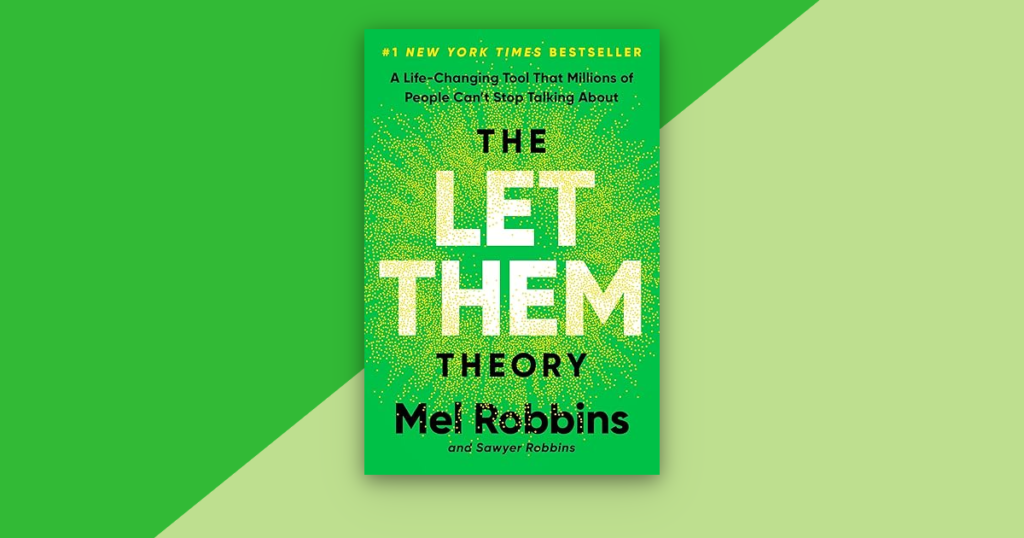
TLDR: Mel Robbins’ The Let Them Theory is a straight-talking book that delivers a core message: stop controlling how others behave and start focusing on yourself. Robbins breaks down why detaching from other people’s actions is the most powerful move you can make. This is not a deep psychological study — it’s a practical mindset shift. Fast listen, low fluff, high impact.
- Title: The Let Them Theory
- Author: Mel Robbins
- Format Consumed: Audiobook
- Length: ~10 hrs
- Genre: Self-help / Personal Development
- Rating: ⭐️⭐️⭐️⭐️⭐️
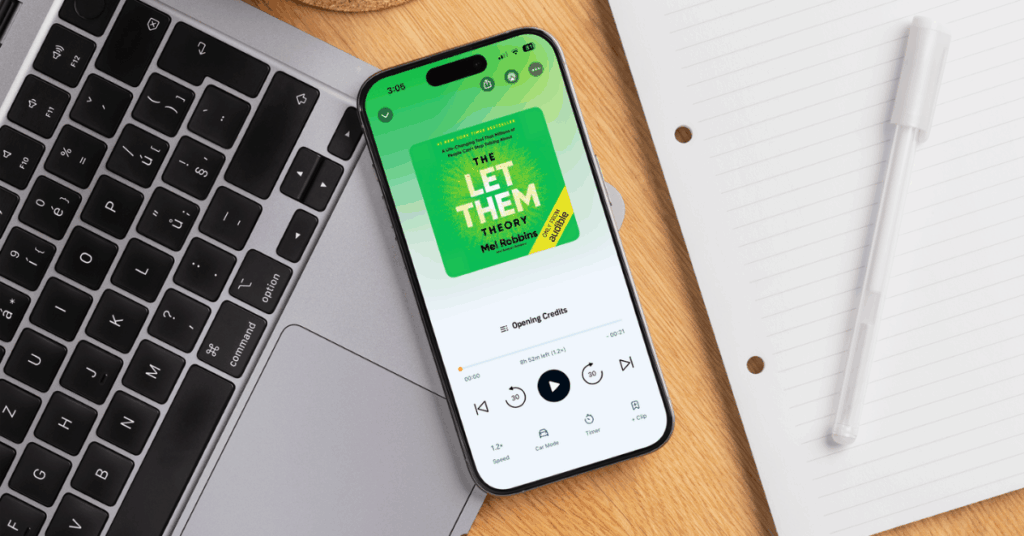
I saw The Let Them Theory everywhere on Instagram. Reel after reel, quote after quote—it felt like everyone was talking about it. Eventually, I gave in and downloaded the audiobook, even though I’d never read or listened to anything by Mel Robbins before.
What I found was more than I expected. I assumed it would be a quick motivational boost, but it ended up delivering a full, layered exploration of mindset, relationships, and emotional boundaries. I kept listening because it wasn’t just advice—it was personal, honest, and deeply relatable. Robbins didn’t just give me a tool. She gave me permission to use it.
What hooked me is how brutally simple the core idea is. Someone stressing out? Let them. People making bad choices? Let them. Someone ghosted you, disrespected you, overstepped? Let them. It felt like Robbins was giving me permission to stop wasting energy managing things that were never mine to carry in the first place.
I’ve replayed chapters multiple times, especially during tense moments with coworkers or family. Robbins narrates it herself, which adds punch. It’s not soft. It’s not gentle. But it’s exactly the mental reset I needed.
The Lowdown On The Let Them Theory
At its core, The Let Them Theory is about boundaries — not the kind you lay out with detailed communication, but the kind you enforce internally by changing what you react to. Robbins introduces the phrase “Let them” as a psychological tool to detach from people’s expectations, disappointments, and nonsense.
She walks through scenarios — friends not inviting you, colleagues being difficult, family drama — and flips the script on how to handle them. Her answer: let them. Not passive aggression. Not pretending you don’t care. Actually, truly letting go.
The tone is casual, like you’re talking to a friend who’s shaking you by the shoulders and telling you to stop overthinking everything.
How Easy Is The Let Them Theory To Read?
Despite its 10-hour runtime, this is a very digestible audiobook. Robbins keeps her language clear, casual, and focused. She narrates it herself, which adds an authentic, engaging tone. The pacing is smooth, with short chapters and enough variety in the stories to hold attention throughout.
This isn’t a book you study — it’s one you absorb and apply. Even if you don’t usually listen to audiobooks, this is a low-risk, high-reward entry point. You can listen while walking, commuting, cleaning — it’s designed to be digested on the go.
It’s accessible to anyone, regardless of how familiar you are with self-help content. You don’t need a background in psychology or coaching—just a willingness to listen and reflect.
My 3 Biggest Takeaways From The Let Them Theory
1. You don’t need to fix people
Trying to micromanage how others behave is exhausting — and pointless. Robbins challenges you to let people make their own choices and learn from their own consequences. That shift frees up mental space immediately.
“Let them make their own mistakes. It’s not your job to rescue everyone.”
2. Distance isn’t always a bad thing
If someone’s actions push them away from you, let them go. Don’t chase, don’t explain, don’t negotiate your value. Letting them walk away creates space for people who actually want to stay.
“If someone wants to leave, let them. If they wanted to stay, they would.”
3. Your peace is your responsibility
You protect your peace by not engaging in emotional tug-of-wars. “Let them” becomes a shield — not to wall others out, but to keep yourself grounded in what you can control: your own response.
“Protecting your peace means not engaging in things that don’t serve you.”
Final Thoughts
The Let Them Theory is short, sharp, and surprisingly sticky. It’s not groundbreaking psychology, and it doesn’t pretend to be. What it is is a practical reframing tool that you can start using immediately — one that genuinely lightens the emotional load you carry. If you find yourself overthinking, over-explaining, or over-extending for people who wouldn’t do the same for you, this book is worth an hour of your time.
I highly recommend it to anyone struggling with boundaries, burnout, or the pressure to please. This is one of the most immediately applicable books I’ve listened to in a long time, and it’s one I’ll be coming back to often.
Listen to it. Then listen again. And the next time someone lets you down?
Let them.